
Door Access Systems
As a pioneer in secure entrance control systems, Integrated Corporation has revolutionized smartcard technology by integrating biometric solutions, including face recognition and fingerprint technology. Our mission is to provide safe, customizable door access solutions tailored to your unique needs.
Door Access System Features
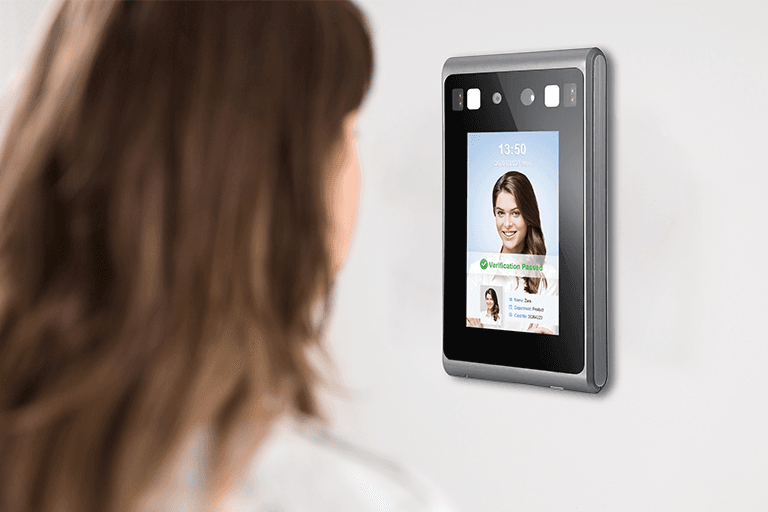
Cutting-edge biometric access control systems offer advanced features such as face and fingerprint recognition, delivering state-of-the-art security for sensitive areas. These systems offer multi-factor authentication, combining biometric data with traditional door access methods for an extra layer of protection against potential threats.
Integration with your existing HR infrastructure ensures a seamless transition and enhances the functionality of your entrance control system.
Multi-Factor Security Access Control Systems
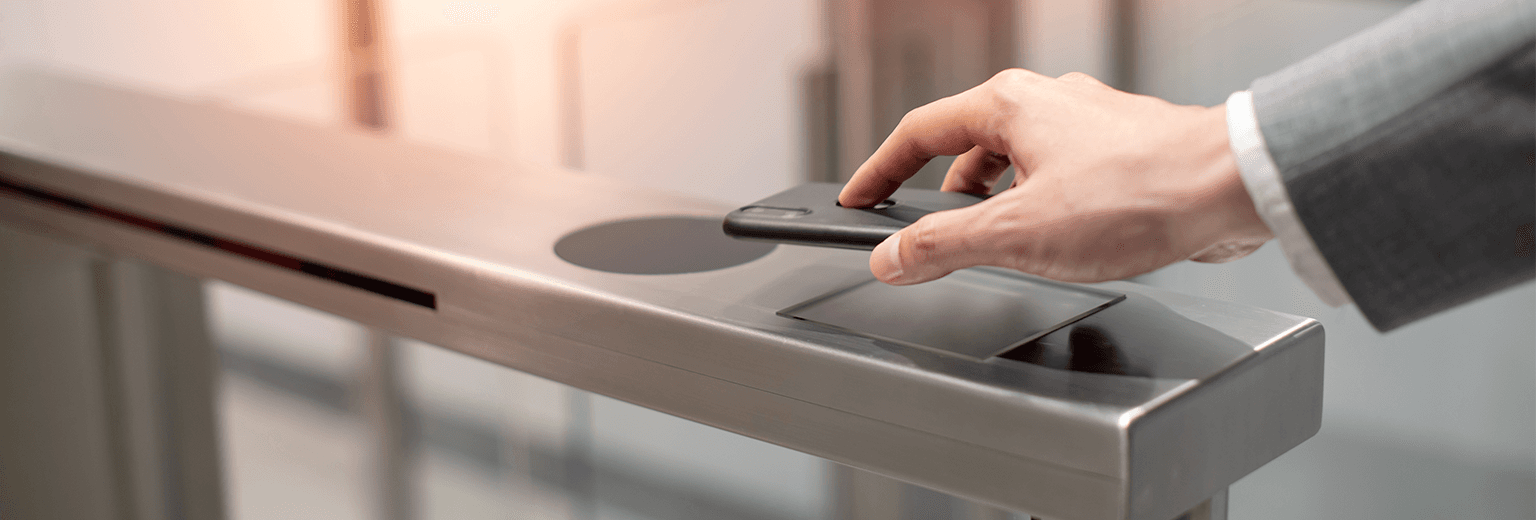
Our advanced entrance control solutions incorporate multi-factor authentication, providing tailored, highly secure access via PIN, cards, face recognition, and NFC.
Decades of Professional Experience
With 30 years of expertise, we provide professional biometric access control systems to global enterprises and Fortune 500 companies.
Security, Robustness, and Flexibility
Our door access solutions prioritize security, robustness, and flexibility for reliable operation tailored to your unique needs.

Powerful Face Recognition Technology
Our AI-powered face recognition system redefines biometric security entrance control systems, offering industry-leading accuracy and integrating with CCTV for monitoring alerts.
Solid Customer Support Service
We offer exceptional customer service with five strategic offices across China, including Hong Kong, and over 200 service locations worldwide.
How Door Access Systems Work
A door access system operates by verifying the identity of an individual before granting or denying entry to
a secured area. When a person presents their credentials — whether a card, PIN, fingerprint, or face scan
— the system cross-references that data against an authorized user database in real time.
Once verified, the system sends a signal to the door access hardware, such as an electric lock or barrier,
to grant entry. Every transaction is logged in real time, creating a detailed audit trail for security monitoring
and compliance.
For organizations that require layered protection, access control systems can be configured with
multi-factor authentication, requiring two or more verification methods before granting access. This
ensures that even if one credential is compromised, unauthorized entry remains effectively prevented.
Meet Our Powerful Solutions for Entrance Control
We offer three types of entrance control systems: Role-Based Access Control (RBAC), Mandatory Access Control (MAC), and Discretionary Access Control (DAC). The three systems provide different levels of security and stringency.
Role-Based Access Control (RBAC)
A role-based system is the most secure approach and is suitable for governments and the military, providing access to individuals based on certain roles or organizational hierarchy.
Mandatory Access Control (MAC)
Mandatory access control provides solutions to organizations that strive for strict security protocols. The system is based on centralized authority control, with a structured permission hierarchy.
Discretionary Access Control (DAC)
Discretionary access control is suitable for smaller organizations seeking greater flexibility in user access, as it enables individual authorization through management software.
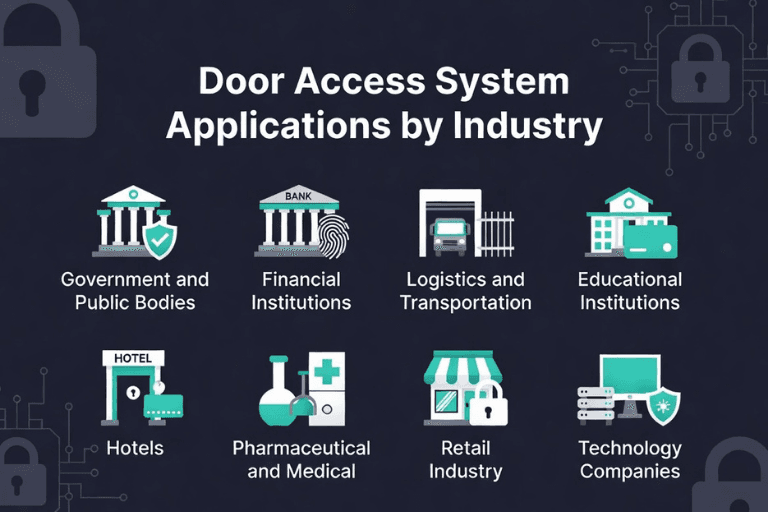
Door Access System Applications by Industry
Access control systems are not one-size-fits-all. Different industries have distinct security requirements, compliance needs, and operational environments. Here is how our door access systems serve key sectors:
Government and Public Bodies
Government facilities require the highest levels of security to protect sensitive information and restricted areas. Our systems support role-based permissions and audit trails that meet the rigorous requirements of public-sector operations.
Financial Institutions
Banks and financial institutions must safeguard both physical assets and confidential data around the clock. Our biometric access control systems provide multi-factor authentication and real-time monitoring to ensure only authorized personnel can access secure zones.
Logistics and Transportation
Warehouses, distribution centers, and transportation hubs need efficient yet secure door access management across large facilities with high foot traffic. Our systems help regulate entry across multiple access points while keeping operations running smoothly.
Educational Institutions
Schools, universities, and campuses must balance open accessibility with the safety of students and staff. Administrators can set flexible access schedules and restrict entry to sensitive areas such as laboratories and server rooms.
Hotels
Hotels require seamless entrance control across guest rooms, staff areas, and back-of-house facilities. Our solutions integrate with existing property management systems to streamline guest access while maintaining security across the entire premises.
Pharmaceutical and Medical
Pharmaceutical facilities and healthcare institutions must comply with strict regulatory standards for access to laboratories, drug storage, and patient data areas. Our solutions provide the precision and accountability required in these highly regulated environments.
Retail Industry
Retail businesses need to protect stockrooms, cash-handling areas, and staff-only zones without disrupting the customer experience. Our scalable solutions can be deployed across single locations or large retail networks.
Technology Companies
Tech companies house valuable intellectual property, server infrastructure, and R&D facilities that demand robust protection. Our door access solutions provide granular permission controls and seamless integration with IT security infrastructure.
Biometric vs. Traditional Access Control
Choosing the right access control system depends on your organization's security needs, budget, and operational scale. This quick comparison of biometric and traditional approaches can help you decide.
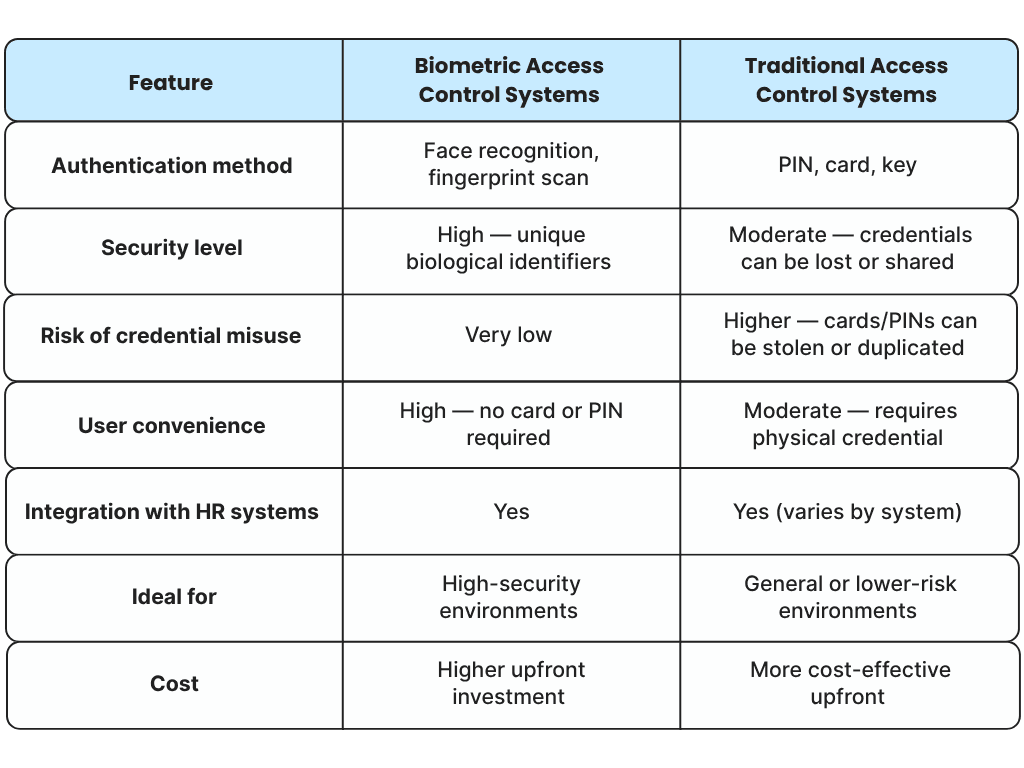
While traditional door access methods remain practical for organizations with standard security requirements, biometric access control systems offer a significantly higher level of assurance by relying on identifiers that cannot be lost, forgotten, or easily replicated. For organizations that prioritize both security and operational efficiency, biometric solutions represent a worthwhile long-term investment.
Seamlessly Integrated with Our Door Access Control Cards
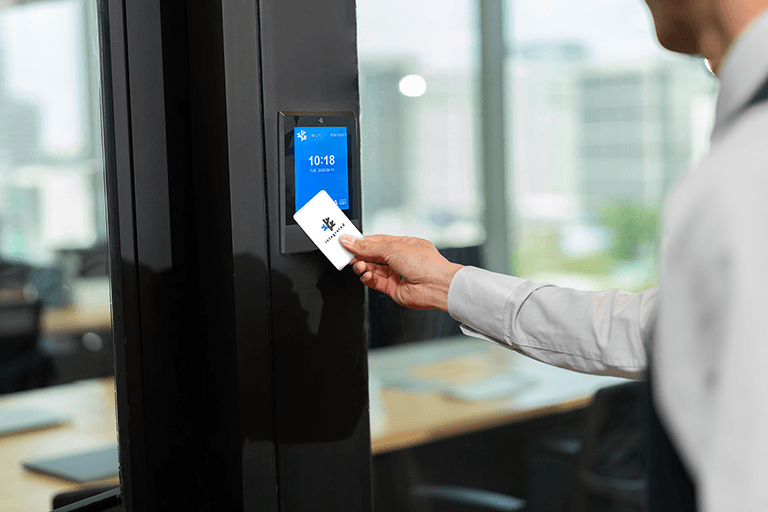
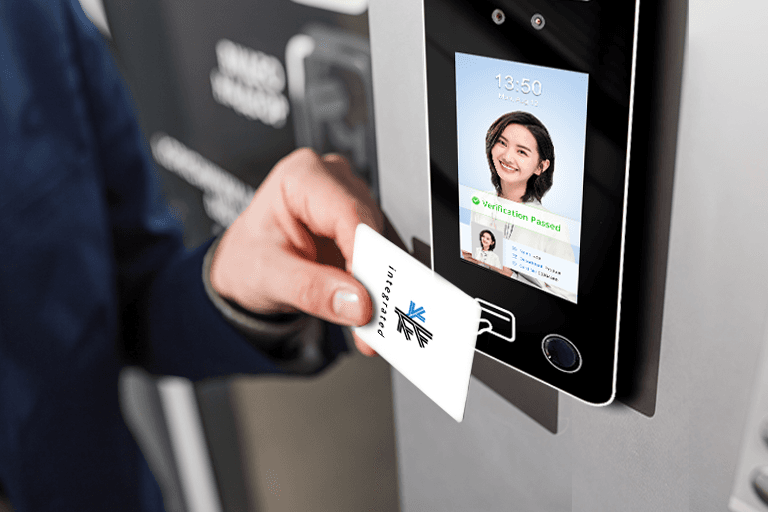
Access control cards are a primary component of entrance control systems, providing secure access
credentials to authorized personnel for an organization's premises. Often, access cards have identification
features similar to an ID card, including a photo, along with advanced security features to prevent
unauthorized entry.
Door access control cards can incorporate advanced security features and technologies to safeguard your
premises. Below are the common types of physical cards:
Contactless Smart Cards
This type of card offers protection against data theft and cloning by seamlessly integrating with biometric access control systems for enhanced security.
Magnetic Stripe Cards
A traditional and cost-effective door access option, magnetic stripe cards are practical for organizations with less stringent security requirements.
Barcode Cards
Similar to magnetic stripe cards, barcode cards provide a simple, economical solution for door access management.
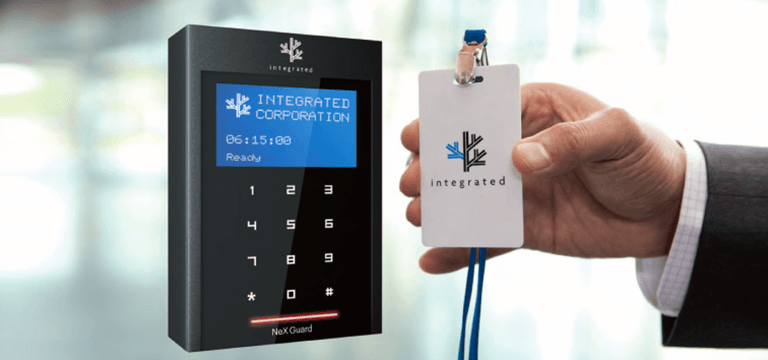
Integrated's Smart Access Cards
Ready to Get Your Biometric Access Control System with Us?
An entrance control system plays a vital role in protecting your organization's security and enhancing your operational efficiency. As a leader in security technology, our state-of-the-art biometric access control systems enhance your security and operational efficiency. By integrating diverse verification methods and audit trails, they enable precise identification and authorization. Seamlessly integrating with HR and existing systems, they optimize workflows and simplify management. Contact us today to learn more and request a demo.
Frequently Asked Questions
What steps are involved in setting up a door access control system?
Setting up a door access control system involves site assessment, system design, hardware installation, software configuration, and user training. Our team will guide you through the entire process, ensuring minimal disturbance to your daily operations.
How secure are biometric access control systems?
Biometric systems offer top-tier security, as biological identifiers are unique and cannot be mimicked. In addition, our solutions employ advanced encryption technology to prevent malicious activity.
What if I lose access to Integrated Corporation's door access systems?
We offer quality customer service through our offices across five major cities in China and our global network of service locations globally. If you require any assistance, please visit our customer service page to contact one of our dedicated specialists.

Where is biometric data typically stored?
We comply with international data protection standards, ensuring that biometric data is encrypted and stored securely.

How are biometric identifiers used to control access?
Biometric systems convert the unique characteristics of an individual into encrypted digital formats. During access attempts, scanned data is compared to stored records for authentication.

Are there any privacy concerns with biometric access control systems?
We prioritize protecting privacy through encryption and secure storage, and we meet international data privacy and data use standards. Our systems adhere to international privacy regulations and industry best practices.